The Science Behind Clear Aligner Therapy
The advent of clear aligner technology has revolutionised orthodontic treatment, offering patients a discreet alternative to traditional metal braces. Beyond the aesthetic advantages, however, lies a fascinating interplay between these transparent devices and the biological structures that support our teeth. Understanding how clear aligners interact with gum tissue and underlying bone architecture provides valuable insight into why this treatment modality has gained such widespread acceptance amongst dental professionals and patients alike.
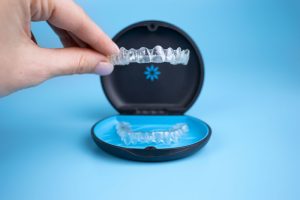
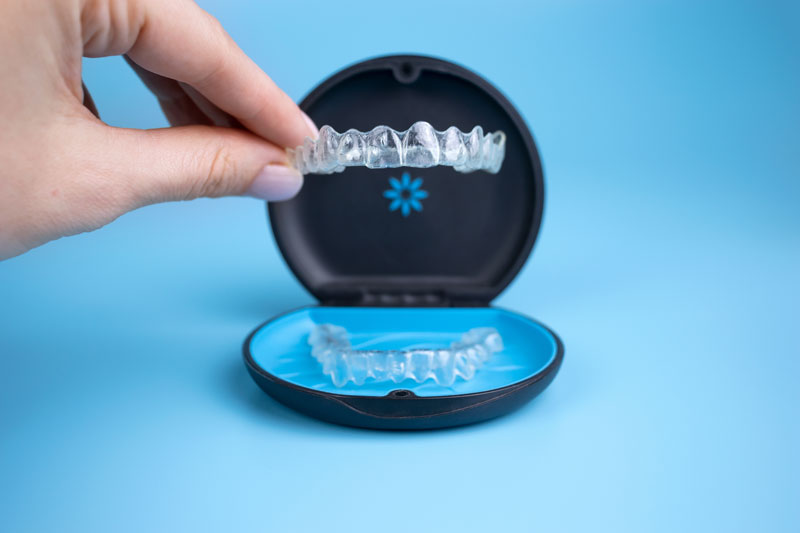
When patients consider orthodontic options such as Invisalign Leicester practices offer, they often focus primarily on the cosmetic outcomes. Yet the biological processes occurring beneath the surface are equally remarkable. The gentle, controlled forces applied by clear aligners initiate a cascade of cellular events that allow teeth to move through bone whilst maintaining the health and integrity of surrounding tissues.
How Tooth Movement Affects Periodontal Tissues
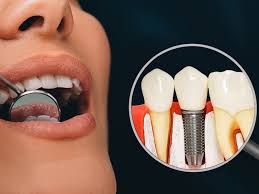
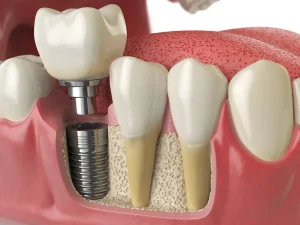
The periodontium—the specialised tissues that surround and support teeth—undergoes significant remodelling during orthodontic treatment. This complex biological system comprises the gingiva, periodontal ligament, cementum, and alveolar bone, all of which must adapt harmoniously to accommodate tooth repositioning.
The Bone Remodelling Process
When aligners apply pressure to teeth, the alveolar bone responds through a carefully orchestrated process of resorption and deposition. On the compression side, where the tooth is being pushed, osteoclasts break down bone tissue to create space for movement. Simultaneously, on the tension side, osteoblasts form new bone to fill the void left behind. This biological dance ensures that teeth remain firmly anchored throughout their journey to optimal alignment.
The controlled nature of clear aligner therapy allows for particularly gentle force application, which research suggests may promote more favourable bone remodelling compared to heavier forces. Studies examining the relationship between clear aligners and periodontal health have demonstrated that the removable nature of these devices facilitates superior oral hygiene, potentially reducing inflammatory responses that could compromise bone integrity.
Gingival Response to Clear Aligners
The gum tissue serves as the first line of defence against oral pathogens, and its health during orthodontic treatment is paramount. Clear aligners present distinct advantages for gingival wellbeing, primarily due to their removability. Patients can maintain comprehensive oral hygiene routines without navigating around fixed brackets and wires, thereby reducing plaque accumulation and subsequent inflammation.
Furthermore, the smooth surfaces of clear aligners minimise soft tissue irritation, allowing the gingiva to maintain its natural contours and health throughout treatment. This stands in stark contrast to traditional orthodontic appliances, which can create areas where plaque readily accumulates and gingival tissues become inflamed or hyperplastic.
The Role of Proper Hygiene in Maintaining Biological Health
Whilst clear aligners offer inherent advantages for periodontal health, patient compliance with hygiene protocols remains crucial. The biological benefits of this treatment modality can only be fully realised when patients diligently remove their aligners for cleaning and maintain excellent oral hygiene practices. The positive effects of clear aligners on overall oral health are well-documented, provided patients adhere to recommended care routines.
Regular removal of aligners for meals eliminates the risk of food particles becoming trapped against teeth for extended periods, reducing bacterial proliferation and acid production that could compromise both gum health and bone structure. Additionally, the ability to brush and floss normally ensures that the biological environment surrounding teeth remains conducive to healthy remodelling processes.
Long-Term Biological Outcomes
Research examining the long-term effects of clear aligner therapy on periodontal structures has yielded encouraging results. When treatment is properly planned and executed, patients typically experience stable bone levels and healthy gingival tissues post-treatment. The gradual nature of tooth movement allows biological structures adequate time to adapt, promoting sustainable outcomes.
Moreover, improved dental hygiene practices and enhanced gum health during aligner treatment often translate into better long-term periodontal maintenance. Patients who develop excellent oral care habits during their orthodontic journey frequently continue these practices indefinitely, conferring lasting benefits to their gum and bone health.
Final Thoughts on Biological Compatibility
The biological impact of clear aligner therapy on gum health and bone structure represents a compelling aspect of modern orthodontics. The technology harnesses natural remodelling processes whilst minimising the inflammatory burden often associated with tooth movement. Through controlled force application, enhanced hygiene access, and reduced soft tissue irritation, clear aligners support the biological structures that underpin long-term dental health. For patients seeking orthodontic correction, understanding these biological mechanisms reinforces the value of this treatment approach beyond mere aesthetics, highlighting its capacity to promote comprehensive oral wellbeing.