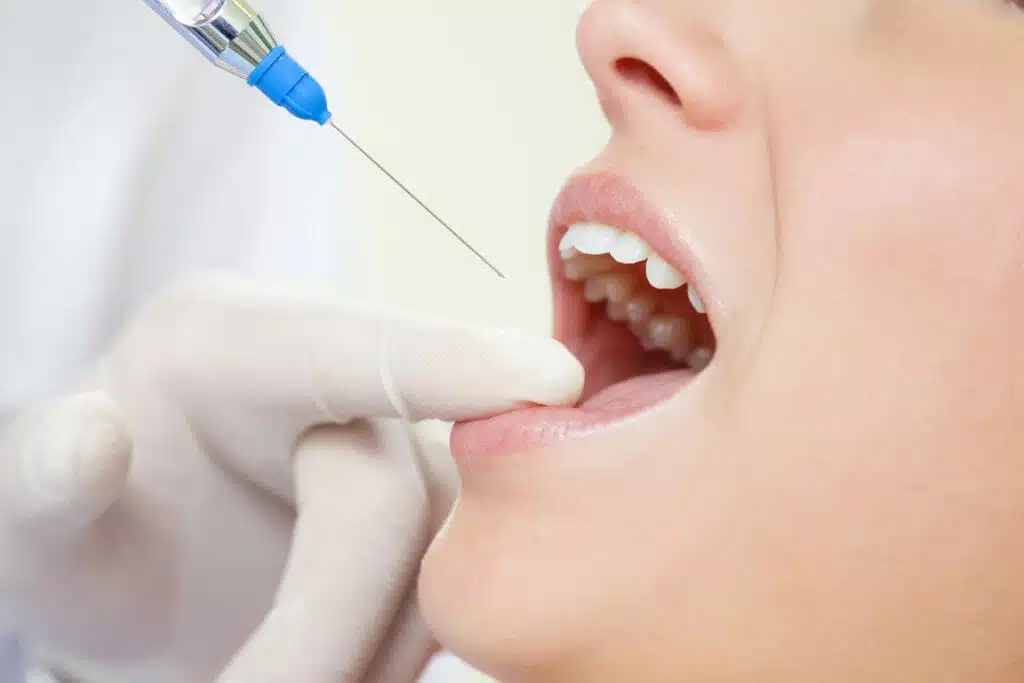
The Evolution of Dental Practice Beyond Traditional Boundaries
The landscape of modern dentistry has undergone a remarkable transformation in recent years, with practitioners increasingly adopting therapeutic interventions once considered the exclusive domain of cosmetic medicine. Botulinum toxin, commonly known as Botox Tunbridge Wells, has emerged as a powerful tool in addressing a range of orofacial muscle disorders that have long challenged dental professionals. This shift represents far more than a mere expansion of services; it signifies a fundamental rethinking of how dental practitioners approach muscular dysfunction in the head and neck region.
Traditionally, dentists focused primarily on the hard tissues of the oral cavity—teeth, bone, and supporting structures. However, the recognition that many chronic orofacial conditions stem from muscular dysfunction has prompted a broader perspective. Patients presenting with temporomandibular joint disorders, chronic headaches, and bruxism often require interventions that address the underlying muscular component of their conditions. The integration of botulinum toxin therapy into dental practice has provided practitioners with a minimally invasive option that can deliver significant relief where conventional treatments have fallen short.
Understanding the Therapeutic Mechanism
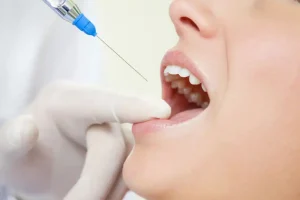
The application of Botox in dental settings relies on its ability to temporarily reduce muscle hyperactivity by blocking the release of acetylcholine at the neuromuscular junction. This mechanism proves particularly valuable when treating conditions characterised by excessive muscle contraction or spasm. For patients suffering from temporomandibular disorders, the therapeutic benefits can be profound. By strategically administering small doses to the masseter and temporalis muscles, practitioners can reduce the intensity of muscle contractions that contribute to jaw pain, limited mouth opening, and associated discomfort.
Research has demonstrated that botulinum toxin applications in orofacial pain management offer promising outcomes for patients who have exhausted other treatment modalities. The precision with which dentists can target specific muscle groups makes this intervention particularly well-suited to the complex anatomy of the orofacial region. Unlike systemic medications that may produce widespread effects, localised Botox injections allow for targeted therapeutic action whilst minimising potential side effects.
Conditions Transformed by Botulinum Toxin Therapy
Temporomandibular Joint Disorders
Temporomandibular joint disorders represent one of the most common applications for Botox Tunbridge Wells. These conditions, which affect the jaw joint and surrounding muscles, can cause debilitating pain that radiates throughout the face and head.
The neuromuscular approach afforded by botulinum toxin therapy addresses the muscular component that often perpetuates TMJ dysfunction, offering patients relief when splints, physiotherapy, and analgesics have provided insufficient benefit. By reducing the force of muscle contractions, the treatment allows inflamed tissues to heal whilst simultaneously breaking the pain-spasm cycle that characterises many chronic cases.
Bruxism and Tooth Grinding
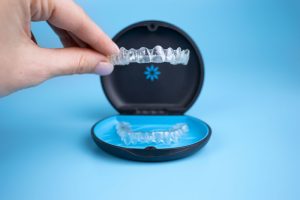
Nocturnal bruxism presents a particularly challenging condition for dental practitioners, as patients remain unaware of their grinding and clenching behaviours during sleep. The consequences, however, manifest clearly through worn dentition, fractured restorations, and morning jaw pain. Traditional interventions such as occlusal guards protect the teeth but do not address the underlying muscular hyperactivity. Botulinum toxin injections into the masseter muscles can significantly reduce the force of nocturnal grinding, thereby protecting dental structures whilst alleviating associated symptoms.
Chronic Headaches and Migraines
The relationship between orofacial muscle tension and chronic headaches has become increasingly recognised within dental practice. Many patients who present with recurrent headaches originating from the temporal region benefit from therapeutic interventions targeting the muscles of mastication. The science of Botox in medical and dental applications has evolved to encompass these interconnected conditions, providing dentists with evidence-based protocols for treatment.
Training and Professional Development
The incorporation of botulinum toxin therapy into dental practice necessitates specialised training beyond traditional dental education. Practitioners must develop comprehensive knowledge of facial anatomy, pharmacology, and injection techniques. Professional development courses now equip dentists with the skills required to safely and effectively administer these treatments. This educational evolution reflects the broader trend towards multidisciplinary approaches in healthcare, where traditional professional boundaries become more fluid in service of improved patient outcomes.
The orofacial uses of Botox in dentistry continue to expand as research validates additional applications and refines existing protocols. This ongoing development ensures that dental practitioners remain at the forefront of therapeutic innovation.
The Future of Integrated Orofacial Care
The integration of botulinum toxin therapy into dental practice represents a significant advancement in the treatment of orofacial muscle disorders. As practitioners continue to embrace this therapeutic modality, patients benefit from more comprehensive care that addresses both structural and functional aspects of oral health. This evolution demonstrates the dental profession’s commitment to adopting evidence-based interventions that enhance patient wellbeing and quality of life, marking a new chapter in the holistic management of orofacial conditions.