The Modern Renaissance of Smile Design
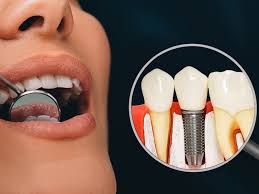
In the realm of modern dentistry, few procedures embody the perfect marriage of artistry and scientific precision quite like dental implants Northern Ireland. What was once considered a purely functional replacement for missing teeth has evolved into a sophisticated discipline that combines biomechanical engineering with aesthetic mastery. Today’s dental professionals are not merely practitioners; they are architects of confidence, sculptors of smiles, and engineers of oral health.
The transformation of dental implant technology over recent decades has been nothing short of remarkable. Where early implants focused primarily on restoring basic function, contemporary approaches recognise that a truly successful implant must seamlessly integrate both form and function. This evolution has given rise to a new generation of dental specialists who understand that creating the perfect smile requires equal measures of scientific knowledge and artistic vision.
The Scientific Foundation of Implant Design
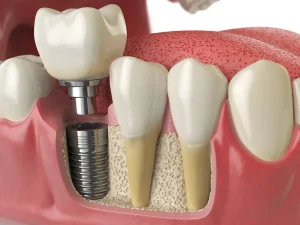
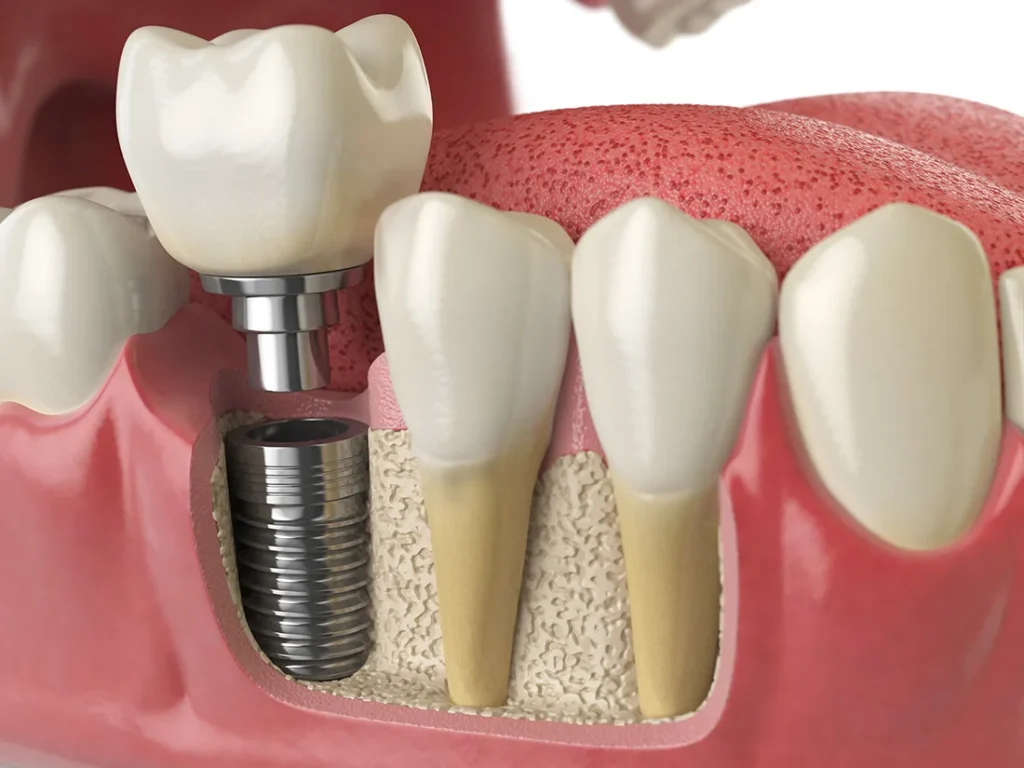
At its core, dental implant design is governed by fundamental principles of bioengineering and materials science. The process begins with understanding osseointegration—the remarkable biological phenomenon whereby titanium implants fuse directly with living bone tissue. This scientific breakthrough, first discovered by Swedish orthopaedic surgeon Per-Ingvar Brånemark in the 1950s, remains the cornerstone of modern implant dentistry.
Contemporary implant design incorporates sophisticated understanding of biomechanics, load distribution, and tissue response. Engineers and dental professionals collaborate to create implant surfaces that promote optimal bone integration whilst maintaining long-term stability. The intricate engineering principles behind implant design encompass everything from thread geometry to surface topography, each element carefully calculated to maximise biological compatibility.
Advanced Planning Technologies
Digital Smile Design Revolution
The integration of digital technologies has revolutionised the planning phase of implant treatment. Three-dimensional imaging, computer-aided design software, and virtual reality platforms now allow practitioners to visualise and plan treatments with unprecedented precision. These tools enable dental teams to assess bone density, nerve pathways, and anatomical structures before making the first incision.
Digital smile design protocols have transformed patient consultation processes, allowing individuals to preview their future smiles before treatment begins. This technology bridges the gap between clinical necessity and aesthetic aspiration, ensuring that both patient and practitioner share a clear vision of the desired outcome. The precision offered by 3D technology in dental implant planning has significantly improved success rates and patient satisfaction levels.
Material Science Innovations
The evolution of implant materials represents a fascinating intersection of chemistry, biology, and engineering. Modern implants utilise grade 4 commercially pure titanium or titanium alloys, materials chosen for their exceptional biocompatibility and mechanical properties. Surface treatments such as sandblasting, acid etching, and plasma spraying create micro-textured surfaces that encourage cellular adhesion and accelerate healing processes.
Emerging materials research explores zirconia implants, offering tooth-coloured alternatives for patients with aesthetic concerns in highly visible areas. These ceramic implants demonstrate excellent biocompatibility whilst addressing the growing demand for metal-free dental solutions. The latest innovations in implant materials and techniques continue to push boundaries, incorporating nanotechnology and bioactive coatings that promote faster healing and improved integration.
The Artistic Dimension of Smile Creation
Whilst scientific principles provide the foundation, the artistic aspect of implant dentistry transforms functional replacements into natural-looking teeth that enhance facial harmony. Practitioners must consider factors such as tooth proportion, gingival architecture, and facial symmetry when designing implant-supported restorations. The golden ratio, colour theory, and principles of facial aesthetics all influence treatment planning decisions.
Successful implant design requires understanding how teeth interact with surrounding soft tissues. Gingival sculpting and tissue management techniques ensure that the final restoration emerges naturally from the gum line, mimicking the appearance of healthy natural teeth. This attention to soft tissue aesthetics distinguishes exceptional outcomes from merely functional ones.
Regional Excellence in Implant Dentistry
The United Kingdom has established itself as a centre of excellence for implant dentistry, with practitioners throughout the region embracing both traditional techniques and cutting-edge innovations. Specialists offering dental implants exemplify this commitment to combining scientific rigour with artistic sensibility, ensuring patients receive world-class treatment that addresses both functional needs and aesthetic desires.
The Future of Smile Design
The field of dental implant design continues to evolve, driven by advances in biotechnology, materials science, and digital manufacturing. As practitioners refine their understanding of the delicate balance between art and science, patients can expect increasingly sophisticated solutions that deliver both functional excellence and aesthetic perfection. The future promises even more personalised approaches, utilising artificial intelligence and advanced imaging to create truly bespoke smile solutions that celebrate individual facial characteristics whilst restoring optimal oral function.