Understanding the Connection Between Dental Health and Mental Wellbeing
The relationship between oral health and psychological wellbeing is far more profound than many people realise. When individuals experience tooth loss, the ramifications extend well beyond the physical realm, permeating into their emotional and social lives in ways that can be quite debilitating. Missing teeth can trigger a cascade of psychological effects, ranging from diminished self-confidence to social withdrawal, fundamentally altering how people perceive themselves and interact with the world around them.
Research has consistently demonstrated that tooth loss affects not only one’s ability to eat and speak properly but also significantly impacts mental health and quality of life. The visible gap left by missing teeth often becomes a source of embarrassment, leading individuals to cover their mouths when speaking or smiling, avoid social gatherings, and experience heightened anxiety in professional settings. This self-consciousness can evolve into a cycle of negative thoughts and behaviours that affect overall life satisfaction.
Fortunately, modern dentistry offers sophisticated solutions that address both the functional and psychological aspects of tooth loss. Dental implants Thames Ditton and elsewhere have produced remarkable transformations in patients who have received them, with improvements extending far beyond restored dental function.
The Emotional Burden of Missing Teeth
The psychological toll of missing teeth manifests in numerous ways throughout daily life. Individuals often report feeling older than their years, less attractive, and professionally disadvantaged. These feelings are not merely superficial concerns; studies examining the psychological effects of missing teeth have shown that tooth loss correlates with increased rates of depression, anxiety, and social isolation.
Social Confidence and Self-Esteem
The impact on social interactions cannot be overstated. Missing teeth frequently cause people to modify their behaviour in social situations, avoiding activities they once enjoyed. Dining out becomes fraught with worry about food choices and the mechanics of eating, whilst photography sessions and video calls transform into sources of stress rather than opportunities for connection and memory-making.
Professional and Personal Relationships
The workplace presents its own unique challenges for those with missing teeth. First impressions matter considerably in professional environments, and individuals with incomplete smiles often feel judged or perceived as less competent. This perception, whether real or imagined, can hinder career progression and limit networking opportunities. Personal relationships may also suffer, as individuals become reluctant to engage in intimate conversations or romantic encounters, fearing judgement or rejection based on their appearance.
The Transformative Power of Permanent Dental Implants
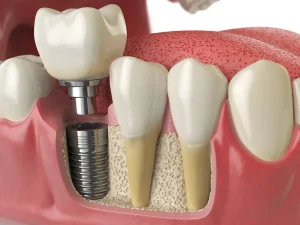
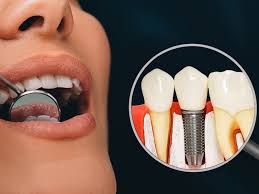
Permanent dental implants represent a revolutionary approach to tooth replacement, offering stability and aesthetics that closely mimic natural teeth. Unlike removable dentures or bridges, implants integrate with the jawbone, providing a permanent solution that feels and functions like original teeth. This permanence delivers psychological benefits that temporary solutions simply cannot match.
Restoration of Self-Confidence
The psychological transformation following dental implant placement is often dramatic and immediate. Patients report feeling liberated from the constant worry about their appearance, experiencing a renewed sense of self-worth and confidence. Research on oral health quality of life confirms that dental implants significantly improve psychological wellbeing, with patients demonstrating measurable improvements in self-esteem and social functioning.
This restoration of confidence manifests in tangible ways. Individuals find themselves smiling more freely, engaging more actively in social situations, and pursuing opportunities they previously avoided. The ability to eat without restriction, speak clearly, and smile without self-consciousness removes psychological barriers that had previously limited their lives.
Long-Term Psychological Benefits
The advantages of dental implants that practitioners provide extend well into the future. Unlike temporary solutions that require ongoing adjustments and replacements, permanent implants offer stability that allows individuals to move forward without constant reminders of their tooth loss. This permanence facilitates genuine psychological healing, enabling people to reclaim their identity and sense of self that may have been compromised by missing teeth.
The role of implants in restoring confidence cannot be overstated, with many patients describing the experience as life-changing.
Moving Forward with Renewed Confidence
The decision to pursue dental implants represents more than a cosmetic choice; it constitutes an investment in psychological wellbeing and overall quality of life. By addressing both the physical and emotional consequences of tooth loss, permanent dental implants offer individuals the opportunity to reclaim their confidence, rebuild their social connections, and approach life with renewed optimism and self-assurance.