The Clear Revolution in Orthodontics
The landscape of orthodontic treatment has witnessed a remarkable transformation over the past two decades, with Invisalign Luton emerging as the preferred choice for millions seeking to perfect their smiles. Unlike traditional metal braces, these virtually invisible devices have revolutionised how people approach teeth straightening, offering discretion and comfort that was previously unimaginable. However, one aspect that often concerns prospective patients is how these clear aligners might affect their speech patterns during treatment.
The relationship between clear aligners and speech clarity is both fascinating and reassuring. Whilst any oral appliance will initially create some adjustment period, the sophisticated design of modern clear aligners ensures minimal disruption to natural speech patterns. Understanding this connection can help individuals make informed decisions about their orthodontic journey and set realistic expectations for their treatment experience.
Understanding Speech Mechanics with Clear Aligners
Speech production involves a complex orchestration of tongue placement, airflow, and oral cavity positioning. When clear aligners are first introduced into the mouth, they create a subtle change in the oral environment that the tongue and speech muscles must adapt to. This adaptation process is remarkably swift for most individuals, typically occurring within days rather than weeks.
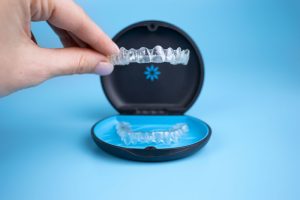
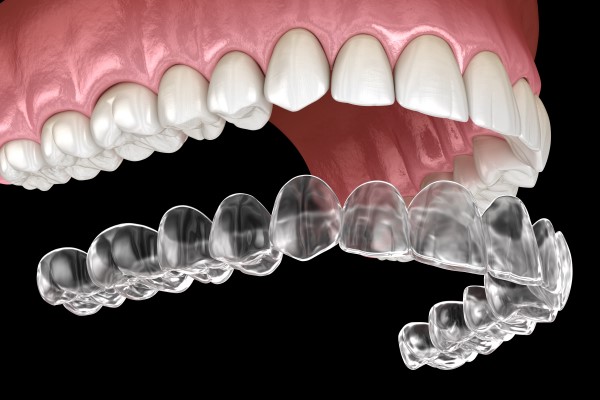
The thickness of clear aligners, measuring approximately 0.75 millimetres, is carefully calculated to provide effective tooth movement whilst minimising speech interference. This precise engineering ensures that the tongue’s natural positioning remains largely unchanged, allowing for rapid acclimatisation. Most patients find that any initial lisp or slight speech alteration disappears as their oral muscles adjust to the new sensation.
Common Speech Changes During Initial Treatment
Temporary Pronunciation Adjustments
During the first few days of wearing clear aligners, patients may notice subtle changes in how certain sounds are produced. The most commonly affected sounds include ‘S’, ‘T’, and ‘TH’, which rely heavily on precise tongue placement against the teeth. These temporary speech adjustments during Invisalign treatment are entirely normal and represent the natural adaptation process.
The beauty of clear aligner technology lies in its minimal impact on daily communication. Unlike traditional braces, which can cause significant speech challenges due to metal brackets and wires, clear aligners create only minor adjustments that most listeners won’t even notice. Professional Invisalign Luton providers often reassure patients that these initial changes are temporary and will resolve quickly with regular wear and practice.
Accelerating Speech Adaptation
The key to minimising speech disruption lies in consistent wear and practice. Orthodontic professionals recommend wearing aligners for the prescribed 20-22 hours daily, as this continuous exposure allows the mouth to adapt more rapidly. Reading aloud, engaging in normal conversations, and practising challenging sounds can significantly expedite the adjustment process. Most patients discover that their speech returns to normal within 48-72 hours of beginning treatment.
Professional singers, public speakers, and individuals whose careers depend on clear articulation often express concerns about clear aligner treatment. Remarkably, studies demonstrate that these professionals typically adapt even more quickly than average patients, likely due to their heightened awareness of speech mechanics and superior oral muscle control.
Long-term Benefits for Speech Clarity
Beyond the initial adjustment period, clear aligners often contribute to improved speech clarity in the long term. As teeth move into their optimal positions, many patients experience enhanced pronunciation and clearer articulation. Crowded or misaligned teeth can create speech impediments, and correcting these issues through aligner treatment frequently results in more confident and articulate communication.
The removable nature of clear aligners provides an additional advantage for those concerned about speech during important presentations or social events. Unlike fixed braces, aligners can be temporarily removed for crucial speaking engagements, though this should be done sparingly to maintain treatment progress. Understanding how clear aligners impact speech patterns helps patients navigate these decisions confidently.
Professional Guidance and Support
Experienced orthodontic practitioners understand the nuances of speech adaptation during clear aligner treatment. They provide valuable guidance on managing initial changes and offer practical techniques to accelerate the adjustment process. Resolving speech concerns with Invisalign treatment becomes straightforward with proper professional support and patient commitment.
Regular monitoring appointments allow practitioners to assess both orthodontic progress and speech adaptation, ensuring that treatment proceeds smoothly on all fronts. This comprehensive approach addresses patient concerns whilst maintaining focus on achieving optimal dental alignment.
Embracing Clear Communication
The connection between clear aligners and speech clarity represents a triumph of modern orthodontic engineering. Whilst minor initial adjustments are normal, the long-term benefits far outweigh temporary inconveniences. Clear aligners offer an effective path to improved dental alignment without compromising communication abilities, making them an excellent choice for individuals seeking discreet, comfortable orthodontic treatment with minimal lifestyle disruption.